I'll Have White Wine, Please!
Working in a wine shop meant I had the chance to talk about wine all day—something I genuinely loved. Our shelves were full of beautiful bottles from all over the world, but the Italian section was especially strong. Most shoppers made a beeline for the reds (and who could blame them?), yet one of the most fascinating corners of the store was often overlooked: Italian white wines.
Sure, many wine drinkers know Pinot Grigio and Prosecco. They’re classics for a reason. But Italy’s white ‑wine landscape is so much broader and more exciting than many people realize. Have you ever tried Fiano, Greco di Tufo, or Soave? I discovered these during my wine certification studies, and each one has its own personality shaped by the region, climate, and winemaking style. Many are light to medium‑bodied, refreshing, and absolutely perfect for warm‑weather sipping.
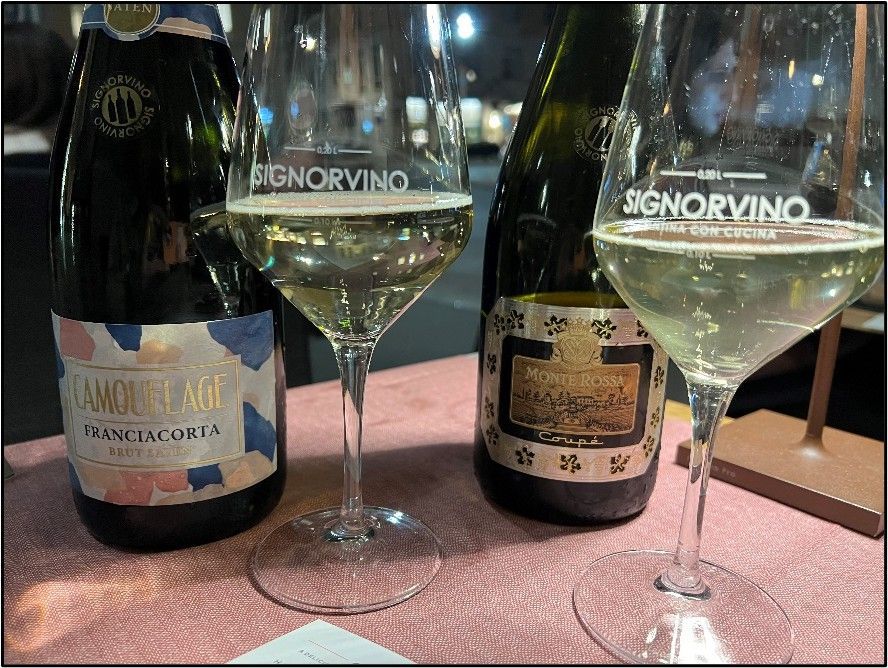
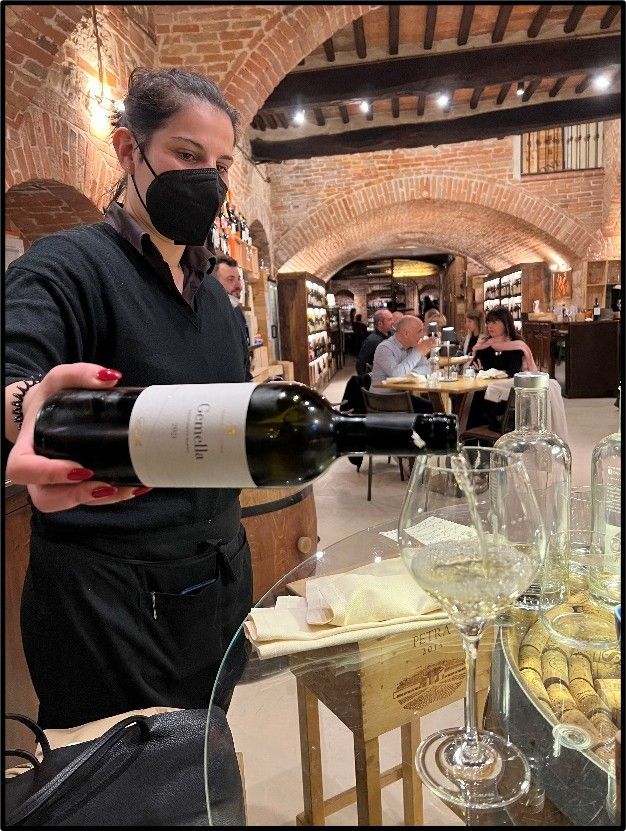
During a recent trip to Italy, I had the chance to taste several white wines right from at the source. One evening in Rome, I slipped into a small wine bar and café just steps from our hotel, tucked across from a beautiful fountain. I found a quiet spot at the counter and ordered tasting pours of three whites: Vermentino, Gewürztraminer, and Pinot Bianco.
Vermentino: Fresh, Zesty, and Perfect for the Coast
Vermentino thrives in coastal regions like Liguria and Sardegna, and you can taste the sea influence in every sip. It’s bright, floral, and zesty—an ideal match for grilled seafood, vegetables, and Mediterranean dishes. Depending on where it’s grown, you might find notes of grapefruit, lime, green apple, ripe pear, almond, or even tropical hints like mango and pineapple. If you enjoy Pinot Gris, Vermentino might be your next favorite bottle. It was the one I loved so much I brought a bottle home with me!
Gewürztraminer: Aromatic, Spicy, and Surprisingly Soft
Gewürztraminer (ger‑VURTZ‑trah‑mee‑ner) is as fun to say as it is to drink (ger‑VURTZ‑trah‑mee‑ner). Highly aromatic and full of spice, it grows primarily in Northern Italy near the German border, though you’ll also find it in cooler parts of the U.S.
The bottle I tasted in Rome delivered all the classic aromas—ginger, peach, grapefruit, lychee, pineapple—but with a softer, more delicate expression than I expected. If you can’t find an Italian version locally, bottles from Germany, Alsace, or Oregon make great alternatives.
This wine shines with highly spiced or aromatic foods, as well as most meats and seafood. It’s also lovely with soft cheeses and dried fruit.
Pinot Bianco: Elegant, Versatile, and Under‑the‑Radar
Pinot Bianco is Italy’s take on Pinot Blanc, a dry French white wine that’s actually a genetic mutation of Pinot Noir and Pinot Gris. While it’s widely grown in Alsace, Germany, and Austria, Northern Italy—especially Lombardy—produces some beautiful examples.
Some winemakers blend Pinot Bianco with Chardonnay or age it in oak, which adds complexity. It’s a versatile grape used for still, sparkling, and even sweet wines. Expect flavors of pear, peach, almond, lemon, and sometimes a touch of spice.
If you like Pinot Gris, you’ll likely enjoy this too. It pairs well with salads, soft cheeses, lemon‑roasted chicken, seafood, and pasta with subtle or creamy sauces.
A Few More Whites Worth Exploring
There were other white wines I also enjoyed during my Italian adventure: Falanghina, Greco di Tufo, and Pecorino. Each offered its own distinct flavor profile and sense of place. Whatever your preference—red or white—do explore the fascinating world of Italian wine. One source says there are about 350 Italian wine varieties in total. Surely that’s enough to keep you busy for a while!